

What Causes a Cylinder Head to Go Bad? Key Factors and Prevention Tips
For vehicle owners and automotive enthusiasts, a faulty cylinder head is one of the most dreaded mechanical issues—often leading to costly repairs, unexpected breakdowns, and even permanent engine damage if left unaddressed. But what exactly causes a cylinder head to fail? Understanding the root causes can help you spot warning signs early, extend your engine’s lifespan, and avoid expensive fixes down the line. Below, we break down the most common factors behind cylinder head failure, backed by automotive engineering insights and real-world examples.
1.Overheating: The 1 Culprit Behind Cylinder Head Damage
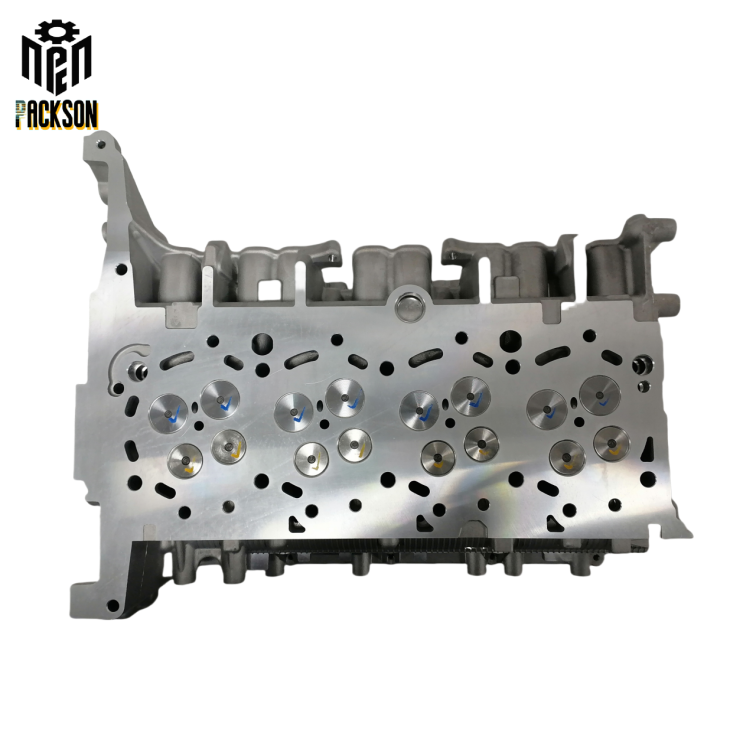
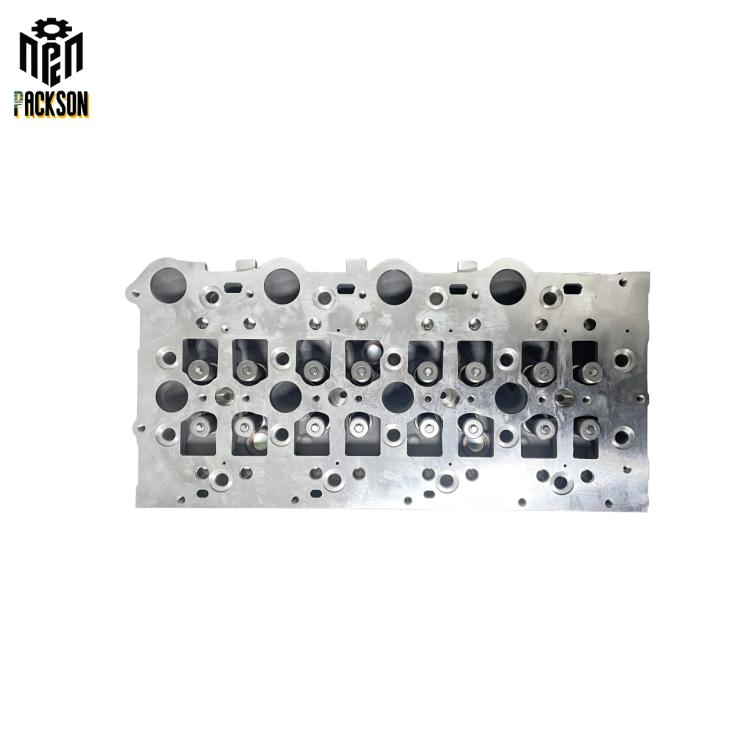
Overheating is the single most frequent cause of cylinder head failure—and for good reason. The cylinder head is a critical component that sits atop the engine block, sealing the combustion chamber and housing vital parts like valves, spark plugs, and camshafts. It operates under extreme temperatures (often exceeding 2,000°F during combustion) and relies on the engine’s cooling system to maintain a safe operating range.
When the cooling system fails—whether due to a leaking radiator, a broken water pump, a clogged thermostat, or low coolant levels—the cylinder head absorbs excess heat it can’t dissipate. This extreme temperature causes the metal (typically aluminum or cast iron) to expand unevenly. Over time, this uneven expansion leads to warping (a slight bend in the cylinder head’s surface) or even cracking (small fractures in the metal).
A warped or cracked cylinder head can no longer seal the combustion chamber properly. This leads to coolant leaks into the oil pan (turning oil into a milky, frothy substance) or exhaust gases seeping into the cooling system (causing bubbles in the radiator). In severe cases, overheating can also damage the head gasket—a thin seal between the cylinder head and engine block—creating a chain reaction of engine issues.
Real-World Example: A 2018 Honda Civic owner ignored a coolant leak for months. During a summer road trip, the engine overheated, warping the cylinder head. The repair cost $1,800—nearly double the cost of fixing the initial coolant leak.
2. Failed Head Gaskets: A Gateway to Cylinder Head Damage
The head gasket is a thin, heat-resistant seal that sits between the cylinder head and engine block. Its job is to prevent oil, coolant, and combustion gases from mixing. When the head gasket fails, it doesn’t just cause leaks—it puts the cylinder head at risk of irreversible damage.
Head gaskets fail for many reasons: overheating (which weakens the gasket’s material), improper installation (e.g., uneven torque when tightening bolts), or normal wear and tear (especially in high-mileage vehicles). Once the gasket fails, coolant can leak into the combustion chamber (causing white smoke from the exhaust) or oil can mix with coolant (damaging engine bearings).
If left unaddressed, a failed head gasket exposes the cylinder head to corrosive coolant and uneven pressure. Over time, this can lead to erosion (wear on the cylinder head’s surface) or cracking (as coolant seeps into tiny gaps and expands when heated).
Expert Tip: “A blown head gasket isn’t just a gasket problem—it’s a warning sign for the cylinder head,” says Mike Torres, a master mechanic with 25 years of experience. “If you notice white smoke or low coolant levels, get your engine checked immediately. Waiting even a week can turn a $300 gasket repair into a $2,000 cylinder head replacement.”
3. Oil Contamination or Starvation: Lubrication Is Non-Negotiable
The cylinder head’s moving parts—like valves, camshafts, and lifters—rely on clean, sufficient oil to reduce friction and dissipate heat. When oil is contaminated or in short supply, these parts grind against each other, generating excess heat and wear that can damage the cylinder head.
- Oil Contamination: Coolant leaks (from a failed head gasket or cracked cylinder head) can mix with oil, turning it into a thick, sludgy substance that loses its lubricating properties. This sludge clogs oil passages, preventing oil from reaching critical components in the cylinder head. Over time, this causes valve damage (e.g., bent valves or worn valve seats) and even camshaft scoring (deep grooves in the camshaft’s surface).
- Oil Starvation: Low oil levels (from leaks or neglecting oil changes) or a faulty oil pump can starve the cylinder head of lubrication. Without oil, metal parts rub together, creating intense heat that can warp the cylinder head or melt valve components.
Case Study: A 2015 Ford F-150 owner skipped oil changes for 15,000 miles. Oil sludge built up in the engine, clogging the oil passages leading to the cylinder head. The camshaft seized, damaging the cylinder head’s valve seats. The total repair cost: $$2,500—far more than the $$50 cost of regular oil changes.
4. Manufacturing Defects: Rare, But Costly
While less common than overheating or gasket failure, manufacturing defects can cause cylinder heads to fail prematurely. These defects include:
- Cast iron or aluminum flaws: Tiny air bubbles (porosity) or impurities in the metal during casting can create weak spots that crack under pressure.
- Machining errors: Uneven surfaces or incorrect bolt hole alignment can prevent the cylinder head from sealing properly, leading to leaks and overheating.
- Material weaknesses: Low-quality metals that can’t withstand high temperatures or pressure (common in aftermarket, non-OEM cylinder heads).
Most manufacturing defects appear within the first few years of a vehicle’s life. If your cylinder head fails prematurely (e.g., before 100,000 miles) and you’ve maintained your engine properly, it’s likely a defect—check your vehicle’s warranty for coverage.
5. Improper Maintenance: Neglect Leads to Failure
Even the most durable cylinder heads will fail if not maintained properly. Common maintenance mistakes that accelerate cylinder head damage include:
- Skipping coolant flushes: Coolant breaks down over time, losing its ability to resist corrosion and regulate temperature. Old coolant can corrode the cylinder head’s internal passages, leading to leaks and cracks.
- Ignoring oil changes: As mentioned earlier, dirty oil causes sludge buildup and lubrication failure.
- Overlooking warning signs: Strange noises (e.g., ticking from the valve train), white smoke, or overheating gauges are all red flags. Ignoring them allows small issues to turn into major cylinder head problems.
How to Prevent Cylinder Head Failure: 5 Practical Tips
Check coolant levels regularly: Top off coolant (with the correct mixture of antifreeze and water) and flush the cooling system every 2–3 years (or as your vehicle’s manual recommends).
Change oil on schedule: Follow your manufacturer’s oil change intervals (typically every 5,000–7,500 miles) and use the recommended oil viscosity.
Address overheating immediately: If your temperature gauge spikes, pull over, turn off the engine, and let it cool. Do not drive an overheating engine—this is the fastest way to warp a cylinder head.
Inspect the head gasket for leaks: Look for white smoke from the exhaust, milky oil on the dipstick, or coolant leaks around the engine block.
Use OEM or high-quality aftermarket parts: When replacing the cylinder head or head gasket, avoid cheap, low-quality parts—they’re more likely to fail and cause further damage.
Final Thoughts: Invest in Prevention to Avoid Costly Repairs
A faulty cylinder head isn’t just an inconvenience—it’s a major expense that can be avoided with proper maintenance. By understanding the key causes (overheating, failed head gaskets, oil issues, defects, and neglect) and taking proactive steps to protect your engine, you can extend your vehicle’s lifespan and save thousands of dollars in repairs.
If you suspect your cylinder head is failing, don’t wait—consult a trusted mechanic for a diagnosis. Early intervention is the best way to minimize damage and keep your engine running smoothly.