

Guide to Replacement of Engine Core Components: Bare Cylinder Head, Cylinder Head Assembly & Long Block
As the "heart" of a car, the performance of its core components directly determines the vehicle's operating status and service life. When the engine encounters serious faults such as cylinder head damage, valve failure, and cylinder block wear, the replacement of core components such as bare cylinder heads, cylinder head assemblies, and long blocks becomes a key solution. Many car owners and maintenance practitioners often fall into difficulties due to lack of information when selecting and replacing such components. To this end, this newspaper sorts out the selection criteria, replacement processes, and core precautions for bare cylinder heads, cylinder head assemblies, and long blocks, and provides practical guidance for the majority of car owners and maintenance personnel.
Step 1: Fault Determination, Clarify the Need for Core Component Replacement
Experts in the automotive maintenance industry pointed out that not all engine faults require the replacement of bare cylinder heads, cylinder head assemblies, or long blocks, and accurate determination of the fault type is the premise. In the initial stage of a fault, standardized emergency handling is the key to reducing losses: car owners must stay calm immediately. If abnormal engine noise, sudden power drop, severe jitter, or fault warning lights are detected while driving, they should immediately turn on the hazard warning lights, slow down and smoothly pull over to a safe area on the side of the road, avoiding emergency parking on high-speed sections or traffic-congested areas to prevent traffic accidents.
After the vehicle is parked stably, turn off the engine in time and do not try to start it repeatedly - this will aggravate parts wear and even cause irreversible damage such as "cylinder scuffing" and "bearing seizure". At the same time, you can simply check the vehicle's appearance for abnormalities such as oil or coolant leaks, and record information such as driving speed and road conditions when the fault occurred. These details can provide important references for subsequent accurate fault determination and core component selection.
Step 2: Accurate Selection, Distinguish Applicable Scenarios of Bare Cylinder Heads, Cylinder Head Assemblies and Long Blocks
After accurate fault determination, it is necessary to select suitable core components based on the diagnosis results. The structure and applicable scenarios of bare cylinder heads, cylinder head assemblies and long blocks are significantly different, requiring scientific selection:
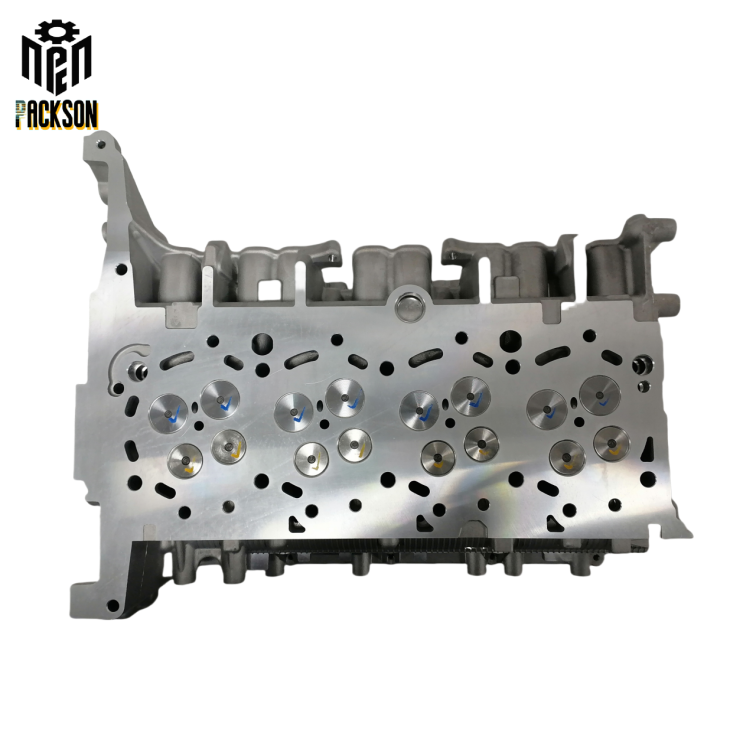
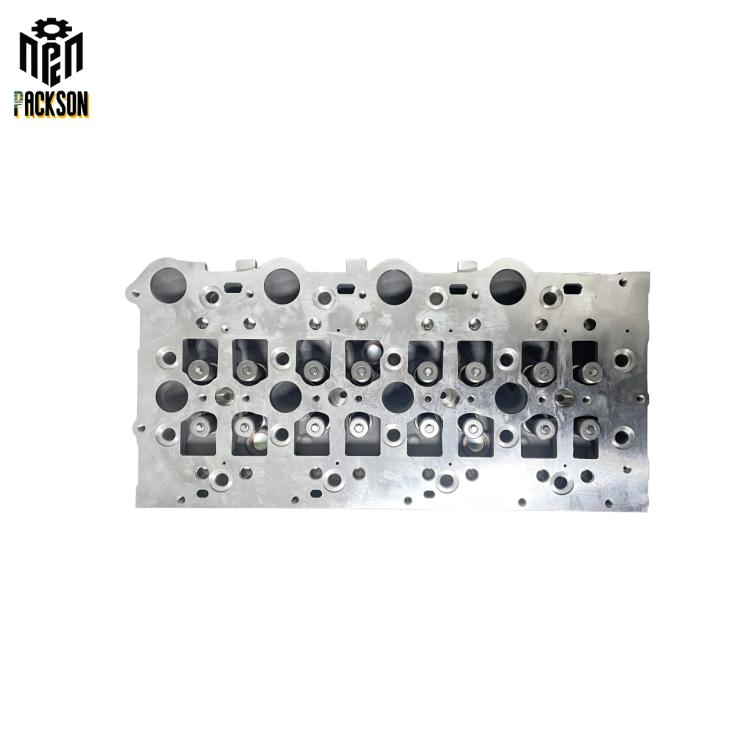
Bare Cylinder Head: A pure cylinder head casting without auxiliary components such as valves and camshafts, suitable for scenarios where the cylinder head body (cracks, deformation) is damaged but the auxiliary components are intact. Its advantage is low cost, and original healthy components can be reused. When selecting, it is necessary to ensure that the material and size are consistent with the original vehicle, and there are no defects on the surface.
Cylinder Head Assembly: A pre-assembled integrated component, including bare cylinder head, valves, camshaft and other complete accessories, which can be directly installed after unpacking. Suitable for scenarios where both the cylinder head and auxiliary components are damaged, or efficient maintenance is pursued. Its advantage is convenient installation and guaranteed precision. When selecting, it is necessary to confirm that it is completely matched with the engine model of the original vehicle.
Step 3: Standardized Replacement, Grasp Core Points of Installation Process
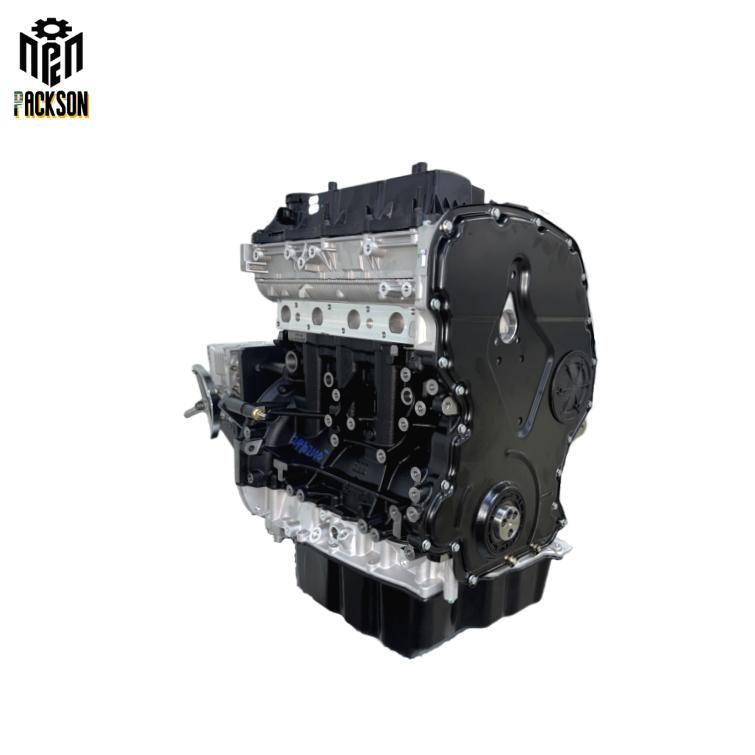
Long Block: An engine assembly without external accessories, including core components such as cylinder block, cylinder head and crankshaft. Suitable for scenarios where multiple components such as cylinder block and cylinder head are damaged at the same time, or the vehicle is seriously aging and the overhaul cost is too high. Its advantage is thorough maintenance and performance close to that of a new engine. When selecting, it is necessary to strictly match the engine model and emission standard, and ensure that the procedures are complete.
The installation process of core components directly affects the use effect and must follow standardized procedures: clean the engine compartment before installation and check the status of surrounding components; for bare cylinder head installation, accurately assemble auxiliary components, control gaps, and tighten cylinder head bolts according to specified torque; for cylinder head assembly installation, check the interface matching degree and ensure accurate timing position; for long block replacement, correctly connect accessories and do a good job in sealing of oil circuit and water circuit.
The core difficulties of installation are torque control and timing calibration, which need to be operated by experienced personnel with professional tools. After installation, it is necessary to conduct preliminary tests on tightness and cylinder pressure, start the engine to observe the operating status, and complete the process only after confirming no abnormalities.
When the damage is extremely serious (such as cylinder block cracking, crankshaft breakage) or the major overhaul cost is too high, it is recommended to replace the original or compliant engine and complete the vehicle change procedures to ensure legal driving on the road.
Step 4: Acceptance After Maintenance and Attention to Subsequent Maintenance
After maintenance, car owners need to conduct a comprehensive acceptance: verify the maintenance list and cost details, start the vehicle to check the operating status (no abnormalities, fault lights off), power performance and whether there is leakage.
The maintained vehicle needs a running-in period. It is necessary to control the speed and engine speed, avoid sudden acceleration and braking, replace maintenance supplies on time, and conduct regular inspections and maintenance to extend the engine life.
Expert Reminder: Key Points to Avoid Pitfalls in Purchase and Replacement of Core Components
Experts emphasize that scientific daily maintenance is the core of avoiding damage to engine core components: strictly follow the manual to replace vulnerable parts regularly, develop good driving habits, pay attention to fuel quality, regularly check cooling and lubrication systems, and timely handle potential faults.
Industry experts said that the maintenance cost of engine core components is high and there are potential safety hazards. Doing a good job in daily maintenance in advance can reduce the possibility of damage from the source.Faced with faults of core engine components, car owners and maintenance personnel do not need to be overly confused. They only need to follow the process of "fault determination - accurate selection - standardized replacement - acceptance and maintenance", clarify the applicable scenarios of bare cylinder heads, cylinder head assemblies, and long blocks, select qualified products and professional maintenance institutions, so as to minimize maintenance costs and ensure the safe operation of the vehicle. At the same time, paying attention to daily engine maintenance can reduce the occurrence of faults of core components and extend the service life of the vehicle.