
The Hidden Science of Engine Component Longevity:
A Deep Dive into Dimensional Stabilization
"In the global engine aftermarket, the most costly failure isn't the one found in the inspection room—it's the 'Invisible Failure' that occurs in the field. This technical briefing explores why components that meet static specifications often fail under dynamic thermal stress, and how professional stabilization processes mitigate these risks for high-performance applications."
1. The Physics of Residual Internal Stress
Metal casting is a complex thermal event. As molten alloy transitions to a solid state, the differential cooling rates between the outer skin and the inner core create massive internal "tensions." In engineering terms, these are known as Residual Internal Stresses.
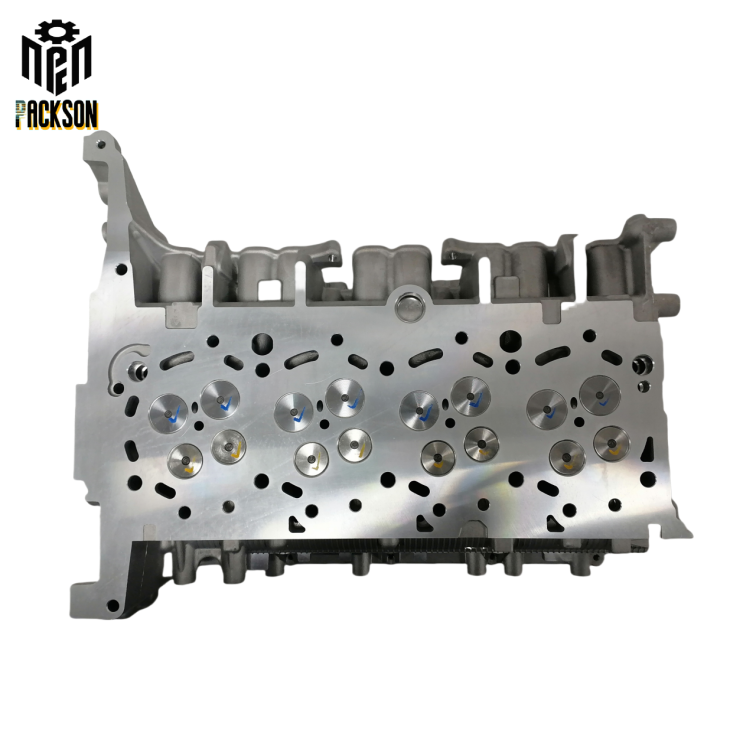
If a raw casting is rushed to the machining line to meet aggressive delivery targets, these stresses remain dormant within the component’s molecular lattice. When the engine eventually reaches its standard operating temperatures, the heat acts as a catalyst, triggering a "molecular relaxation." This leads to Micro-warping—a deviation that can compromise head gasket seals, alter valve seat concentricity, and lead to premature engine failure.
2. The Engineering Necessity: The Stabilization Period
Standardized stabilization is the "missing link" in modern manufacturing cycles. It is a critical phase where raw castings are allowed a controlled Stabilization Period before any precision CNC work begins.
Phase I: Stress Equilibrium
The resting phase allows internal crystalline structures to reorganize and reach a state of equilibrium, effectively neutralizing the latent energy from the casting process.
Phase II: Dimensional Hardening
Only proper stabilization ensures that the Engineering Tolerances—such as flatness and coaxiality—remain consistent within established parameters throughout the product's lifespan.
3. Technical Indicators for Professional Procurement
Professional buyers should evaluate suppliers based on the following dynamic indicators, rather than static out-of-the-box measurements:
| Quality Metric | Impact of Inadequate Stabilization |
|---|---|
| Deck Surface Flatness | Post-installation warping leading to localized combustion gas or coolant leaks. |
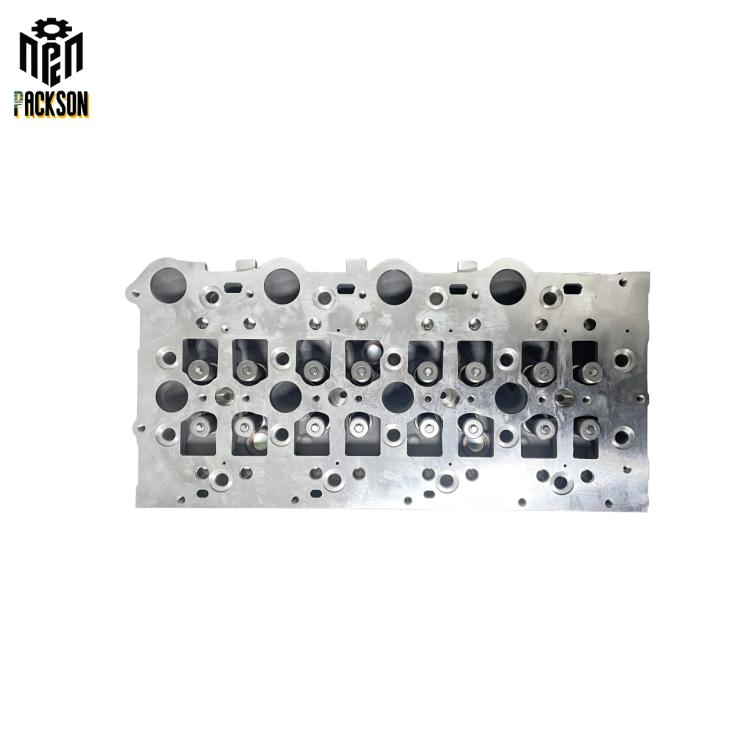
| Valve Seat Coaxiality | Eccentric wear patterns that reduce engine compression and increase emissions. |
| Thread Integrity | Micro-shifts in fastener positions that compromise critical torque retention. |
4. TCO Analysis: The True Cost of Cheap Components
In the 2026 engine aftermarket, Total Cost of Ownership (TCO) is replacing purchase price as the primary procurement KPI. A component that saves initial costs but requires a complex engine teardown later is a liability, not an asset.
Stabilized components provide the "Insurance of Reliability." By ensuring that the metal's internal geometry remains exceptionally stable within standard operating temperatures, distributors can significantly reduce the risks of secondary labor costs and protect their market reputation in a competitive global landscape.