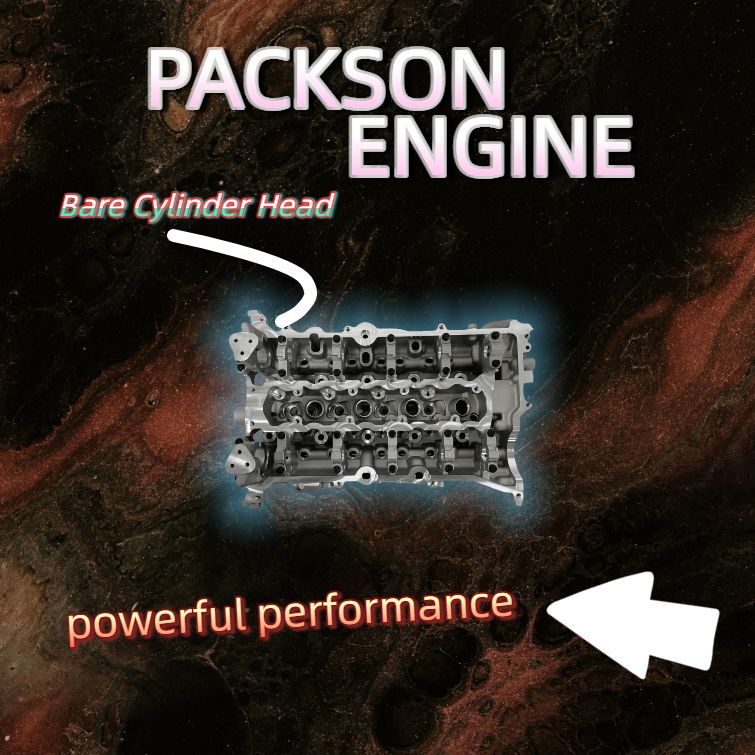

The "Upper Core" of the Engine: What Does the Cylinder Head Do?
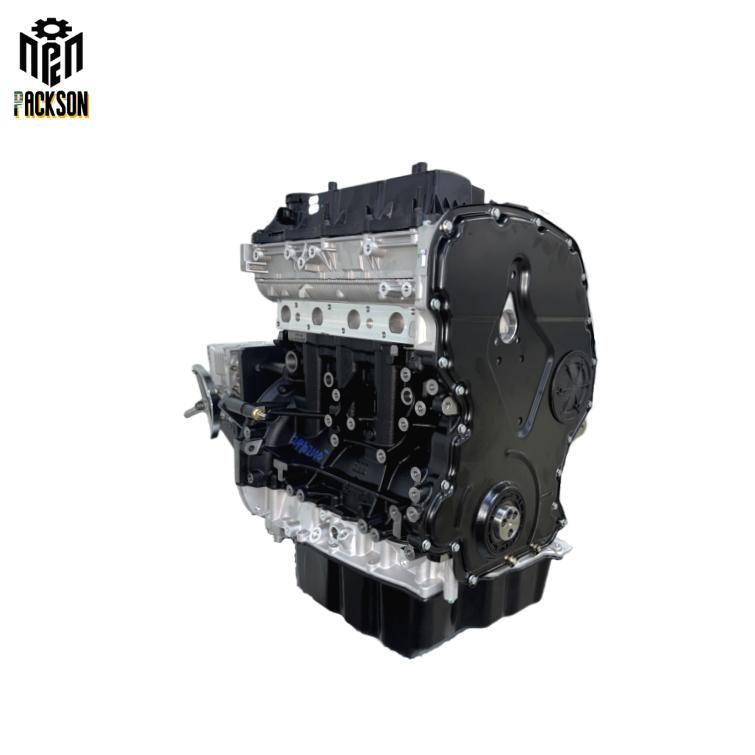
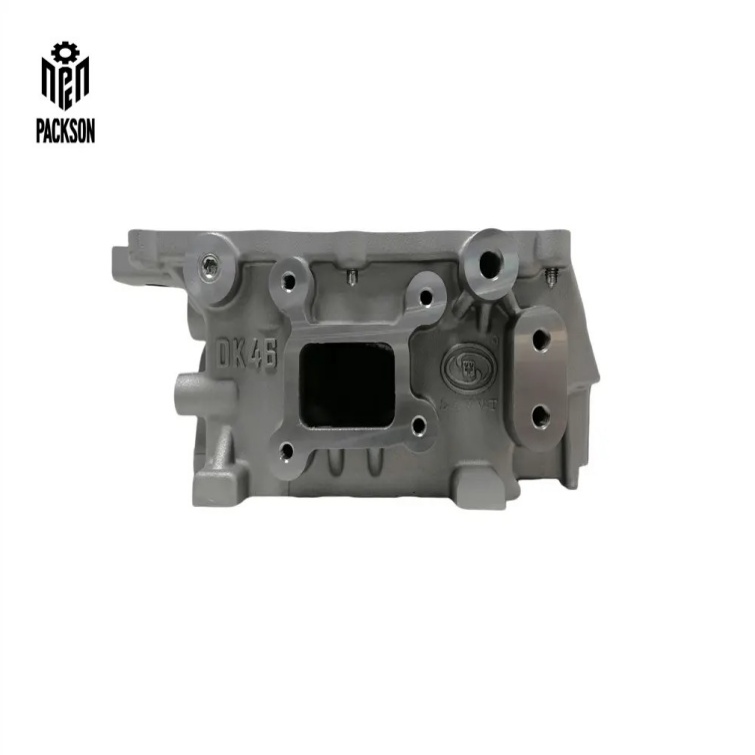
If the engine is compared to the "heart" of a car, then the cylinder head is the "upper core component" of this heart. It closely cooperates with the "lower part" of the engine—the cylinder block—to jointly form the "combustion chamber" where fuel burns to do work, and is a key component ensuring the engine's normal operation. Whether the cylinder head's design is precise, the material used is good, and the installation is in place directly affects the car's power, fuel consumption, and the service life of the engine. Understanding the function of the cylinder head can provide a clearer direction for daily car maintenance and fault diagnosis.
1. Seal the "Combustion Workshop" to Prevent Power Loss
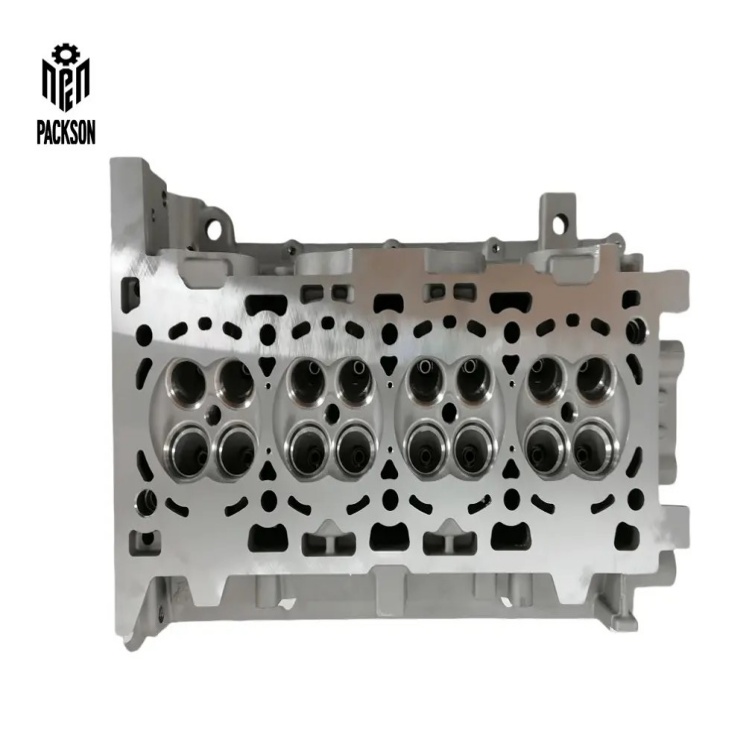
When the engine is working, it completes four key steps in the "combustion chamber"—intake, compression, power, and exhaust (commonly known as the "four-stroke cycle"). During this process, the temperature in the combustion chamber can reach several hundred or even thousands of degrees Celsius, and the pressure is extremely high. The primary task of the cylinder head is to closely fit with the cylinder block through the intermediate "cylinder gasket" to seal this high-temperature and high-pressure "combustion workshop" and prevent gas leakage. If the cylinder head is accidentally cracked or deformed by force, the seal will fail, resulting in air leakage and gas blow-by. This is like a balloon with a hole; the internal pressure cannot be retained, the engine's power will decrease significantly, and fuel consumption will increase. In severe cases, the coolant used for cooling and the engine oil used for lubrication will mix, which will damage more important components such as pistons and crankshafts.
2. Equipped with "Intake and Exhaust Valves" for Smooth Engine Breathing
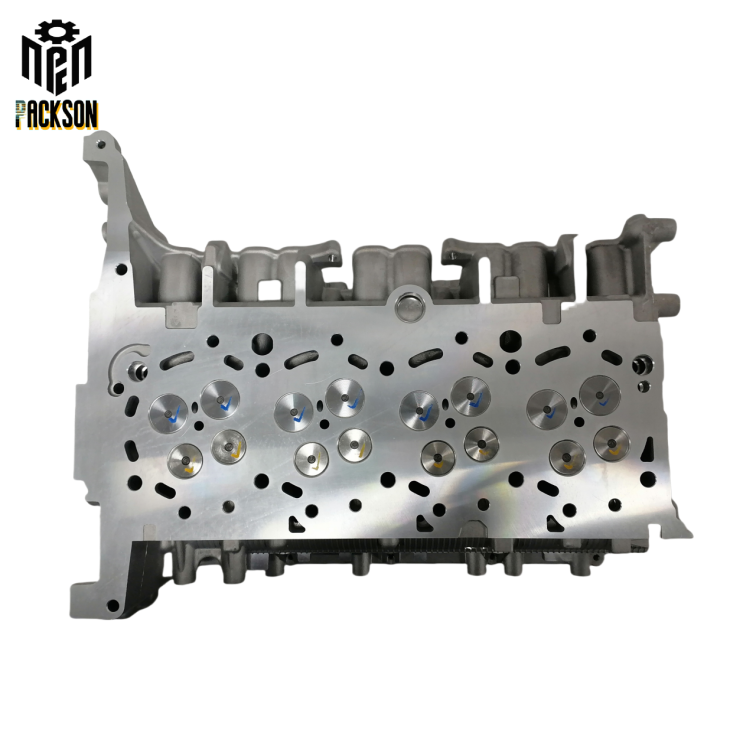
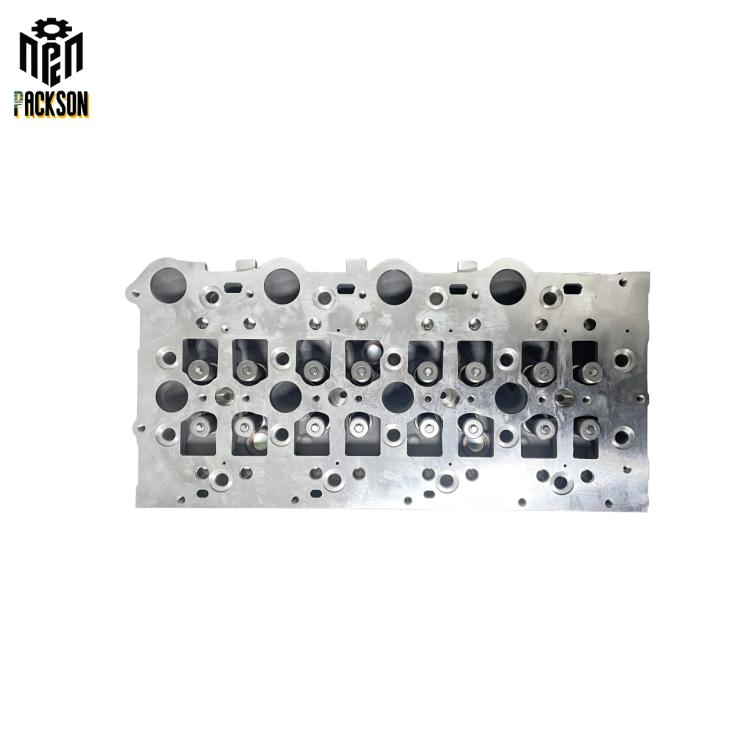
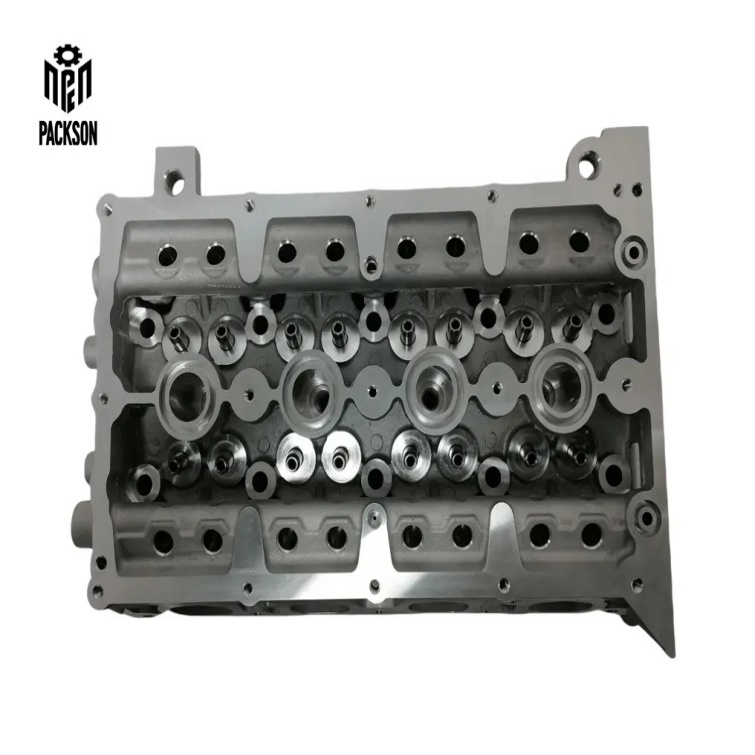
The interior of the cylinder head is like a "small engine room", equipped with core components necessary for the engine's "breathing"—such as "valves" that control intake and exhaust, "valve guides" that guide valve movement, "valve springs" that reset the valves automatically, and "camshafts" that control the timing of valve opening and closing. These components cooperate seamlessly to precisely control the opening and closing times of the intake and exhaust valves: during intake, the intake valve opens to suck the mixture of gasoline and air into the combustion chamber; during compression and power strokes, both valves are closed to ensure sufficient combustion pressure; during exhaust, the exhaust valve opens again to discharge the burned exhaust gas. The amount of gas the engine can intake and the efficiency of combustion depend entirely on the control accuracy of these components, and the cylinder head serves as their "mounting base", which must provide stable support to ensure the entire "breathing" process goes smoothly.
3. Bear Multiple "Key Equipment" and Integrate Core Engine Functions
In addition to the valve train, the cylinder head also bears key components and functional structures such as spark plugs (for gasoline engines) or fuel injectors (for diesel engines), intake and exhaust manifold interfaces, coolant channels, and engine oil lubrication channels. The integration of these components and channels makes the cylinder head a connecting hub for multiple core systems of the engine—the fuel supply system realizes fuel ignition/injection through fuel injectors or spark plugs, the cooling system takes away the high temperature of the cylinder head and combustion chamber through coolant channels, and the lubrication system provides lubrication for moving components such as the valve train through engine oil channels. It can be said that the integration function of the cylinder head enables the coordinated operation of various engine systems, ensuring overall work efficiency and stability.