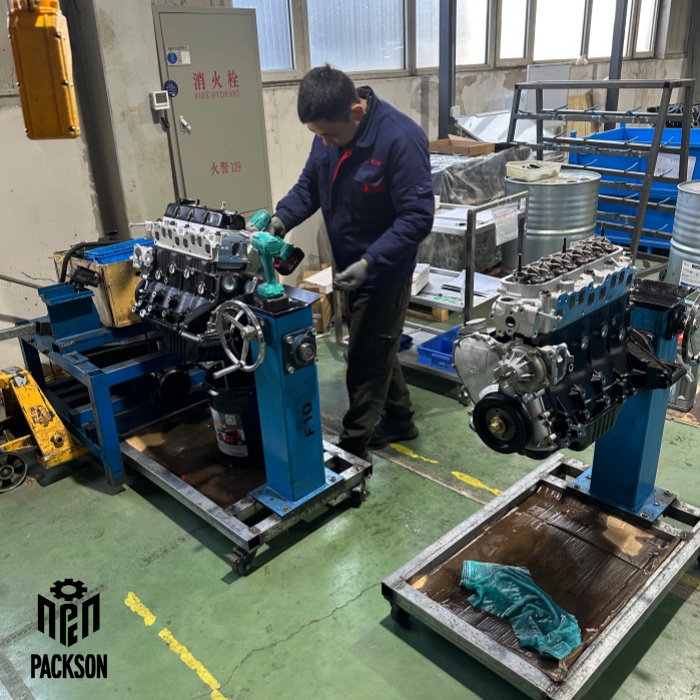

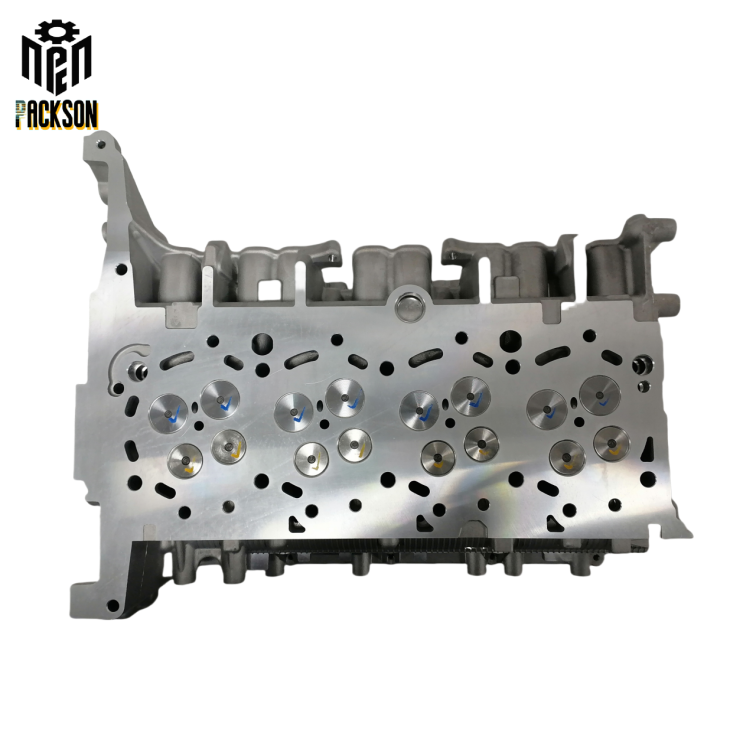
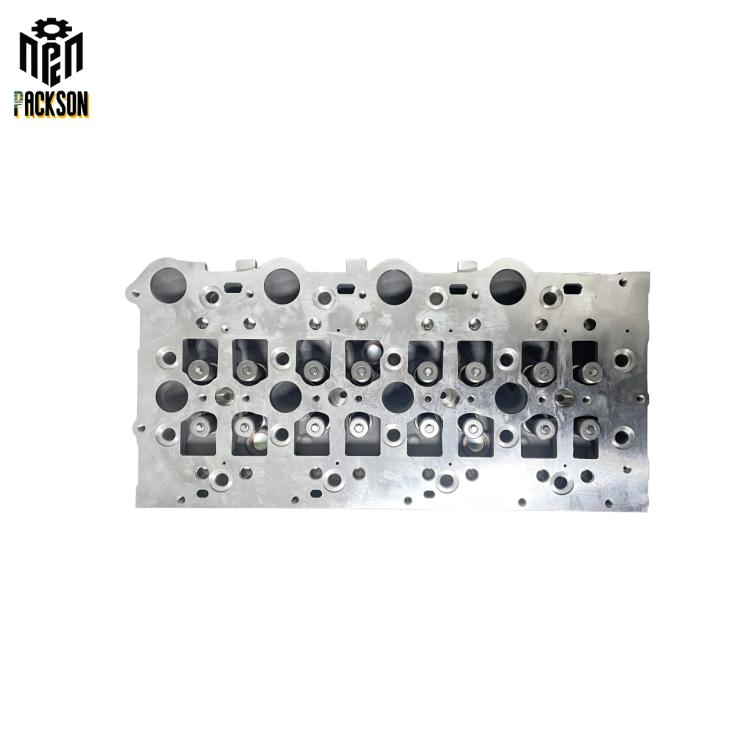
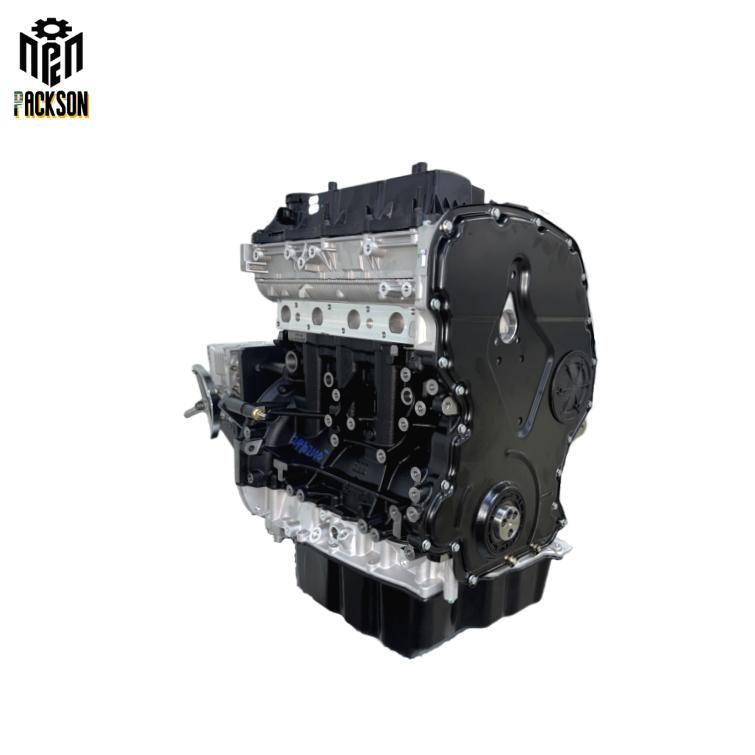
At the PACKSON Engine Factory production workshop, every engine bound for delivery undergoes rigorous bench testing, with the Cold Running-In Test standing as the cornerstone of our Factory Quality assurance.
Unlike hot running-in with ignition and combustion, the Cold Running-In Test is a precision process where the engine is driven by external power without spark or fuel combustion. This process is engineered to enhance Engine Reliability by optimizing Friction Pairs and verifying Assembly Quality, delivering initial running-in safely, controllably, and with high quality, and laying a solid foundation for the engine’s long-term reliable operation.
Core Purposes and Value of the Cold Running-In Test
The Cold Running-In Test focuses on gentle initial engine break-in to fundamentally elevate product reliability, with every step centered on preserving Factory Quality, boosting Engine Reliability, refining Friction Pairs, and validating Assembly Quality:
Eliminating Micro Burrs and Optimizing Friction Pairs Precision. Critical Friction Pairs such as cylinder walls, piston rings, bearings, and valves retain micro tool marks and burrs after machining. The Cold Running-In Test uses low-speed operation to gently lap these Friction Pairs, allowing components to gradually conform and form uniform, smooth contact surfaces. This refinement of Friction Pairs directly strengthens Engine Reliability and upholds our strict Factory Quality standards, while also serving as a preliminary check of Assembly Quality to ensure proper component alignment.Establishing Stable Oil Films to Prevent Early Wear and Secure Engine Reliability
Under low-temperature, detonation-free conditions during the Cold Running-In Test, engine oil fully infiltrates all Friction Pairs, establishing a reliable lubricating film in advance. This critical step eliminates early failures like dry friction, cylinder scuffing, and bearing burnout after installation, directly extending the engine’s service life and reinforcing Engine Reliability. Concurrently, it validates Assembly Quality by confirming unobstructed oil flow and proper sealing, all while adhering to our unwavering Factory Quality benchmarks.
Verifying Assembly Quality and Exposing Potential Defects Early During the Cold Running-In Test
During the Cold Running-In Test, technicians can precisely check bearing clearances, piston fit, and detect abnormal noises, jams, or leaks, while verifying the Assembly Quality of valve and timing systems. This thorough inspection of Assembly Quality ensures all issues are identified and resolved before delivery, achieving "zero-defect" shipment that preserves Factory Quality and guarantees long-term Engine Reliability. By leveraging the controlled environment of the Cold Running-In Test, we protect delicate Friction Pairs from damage while validating every aspect of Assembly Quality.Avoiding Hot Running-In Risks, Ensuring Batch Consistency, and Upholding Factory Quality
Compared to hot running-in, the Cold Running-In Test operates without high temperatures or combustion pressure, eliminating component deformation or scuffing that could harm Friction Pairs and compromise Engine Reliability. The process is gentler and more controllable, ensuring consistent running-in quality across all engines to meet large-scale production standards. This consistency is a testament to our Factory Quality commitment, as it validates uniform Assembly Quality and preserves the integrity of Friction Pairs, directly translating to reliable Engine Reliability for every customer.
As a pre-running-in step, the Cold Running-In Test acclimates the engine to operation before hot running-in and performance testing, reducing failure rates in later stages and boosting overall production and testing efficiency.
This preparatory phase refines Friction Pairs, confirms robust Assembly Quality, and solidifies Factory Quality, ensuring the engine is primed to deliver consistent Engine Reliability throughout its lifecycle. By completing the Cold Running-In Test, we set the stage for seamless performance validation, all while upholding our strict Factory Quality standards.Final Commitment: Delivering Trust Through Cold Running-In Test, Factory Quality, Engine Reliability, Friction Pairs Optimization, and Assembly Quality AssuranceThe Cold Running-In Test is PACKSON Engine Factory’s unwavering commitment to Factory Quality, Engine Reliability, Friction Pairs optimization, and Assembly Quality verification. Through this precise process, we ensure every engine leaving the factory meets PACKSON’s stringent quality standards: refined Friction Pairs, validated Assembly Quality, fortified Engine Reliability, and uncompromised Factory Quality. This eliminates customer concerns over early failures and reliability, delivering stable, long-lasting power to end users.
Moving forward, PACKSON will continue to refine the Cold Running-In Test process, implement stricter Factory Quality controls, optimize Friction Pairs performance, validate Assembly Quality with greater precision, and prioritize Engine Reliability to build engine products trusted by customers worldwide.