

Engine Troubles? Learn to Spot These Cylinder Head Failure Signs
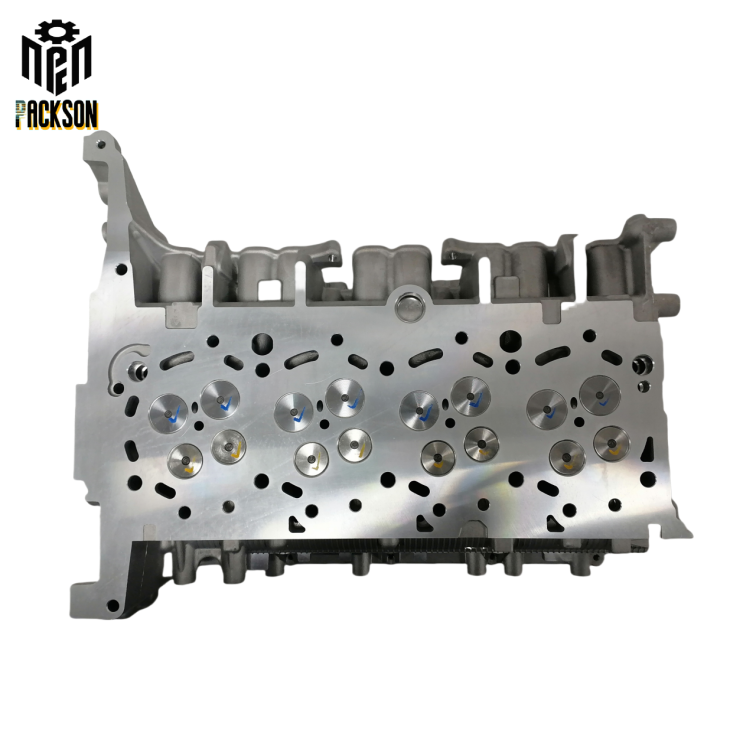
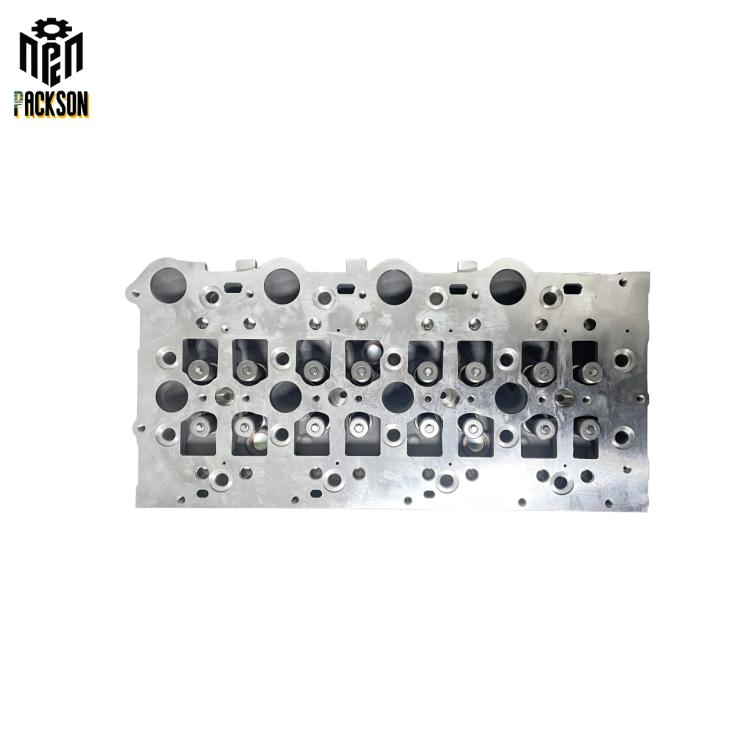
The cylinder head is a critical component of an engine, acting as the "control center" for combustion, cooling, and lubrication systems. A faulty cylinder head can lead to costly repairs or even engine breakdown if not detected early. Automotive experts warn that recognizing the warning signs of cylinder head failure is essential for every driver to avoid major mechanical disasters.
Performance Degradation: The Most Obvious Red Flag
One of the first indicators of a bad cylinder head is a noticeable drop in engine performance. Drivers often report feeling like the vehicle is 'dragging' or struggling to accelerate.This happens because a damaged cylinder head disrupts normal combustion, reducing compression and power output.
Abnormal engine noise is another telltale sign. A faulty cylinder head may cause a "popping" or knocking sound as incomplete combustion occurs or cylinders fail to fire properly. In severe cases, drivers may experience rough idling or even engine stalling, especially when starting the vehicle or accelerating.
Cooling System Anomalies: Don’t Ignore These Clues
The cylinder head plays a key role in the engine’s cooling system, and leaks or cracks often manifest here first. Experts advise checking for coolant loss without obvious external leaks—this could mean coolant is seeping into the combustion chamber or mixing with engine oil.
A common visual cue is milky white oil on the dipstick, caused by coolant contaminating the lubricant. Conversely, coolant reservoirs may show oil droplets floating on the surface, indicating a breach between the oil gallery and cooling jacket.If your radiator constantly needs refilling or emits bubbles when the engine is running, it’s time to inspect the cylinder head.Excessive engine overheating, even with a functioning thermostat, is also a critical warning sign.
Exhaust and Leakage Symptoms: Easy to Detect
Abnormal exhaust emissions often accompany cylinder head issues. Persistent water droplets from the exhaust pipe, especially when the engine is warm, can signal coolant burning in the combustion chamber. Black or blue smoke may also appear, indicating incomplete combustion or oil leakage into the cylinders.
Visible leaks around the cylinder head gasket—located between the cylinder head and engine block—are another clear indicator. Drivers may notice coolant or oil stains on the engine block or parking surface. In some cases, high-pressure gas from the combustion chamber can leak, producing a hissing sound near the engine top.
Professional Detection: What Mechanics Do
If warning signs appear, professional testing is necessary to confirm cylinder head damage. Mechanics use multiple methods to diagnose issues:
Pressure Testing: Hydraulic pressure testing (0.3-0.4MPa for 5 minutes) checks for cracks by forcing fluid through the cooling system. Gas pressure testing with a one-way valve is also used for precision detection.
Visual and Dimensional Checks: Using precision straightedges and feeler gauges, technicians measure cylinder head flatness—exceeding 0.05-0.10mm typically indicates deformation.
Penetrant Testing: Immersing the cylinder head in kerosene or dye solution for 2 hours reveals cracks when developer powder is applied, as the liquid seeps out to form visible lines.
Compression Testing: Uneven compression across cylinders often points to valve seal failure or gasket leaks caused by cylinder head damage.
Prevention and Maintenance Tips
Cylinder head failure is often preventable with proper maintenance. Avoid sudden temperature changes—never add cold water to an overheated engine. Follow manufacturer guidelines for cylinder head bolt torque and tightening sequence during repairs, as improper torque causes warping. Regularly flush the cooling system to prevent corrosion and scale buildup, which increases thermal stress.
Early detection can save thousands in repairs. "If you notice any combination of these symptoms, have your engine inspected immediately. Minor cracks or warping can sometimes be repaired, but severe damage may require cylinder head replacement."
For older vehicles or those with high mileage, regular cylinder head inspections are recommended as part of routine maintenance, helping extend engine life and avoid unexpected breakdowns.