

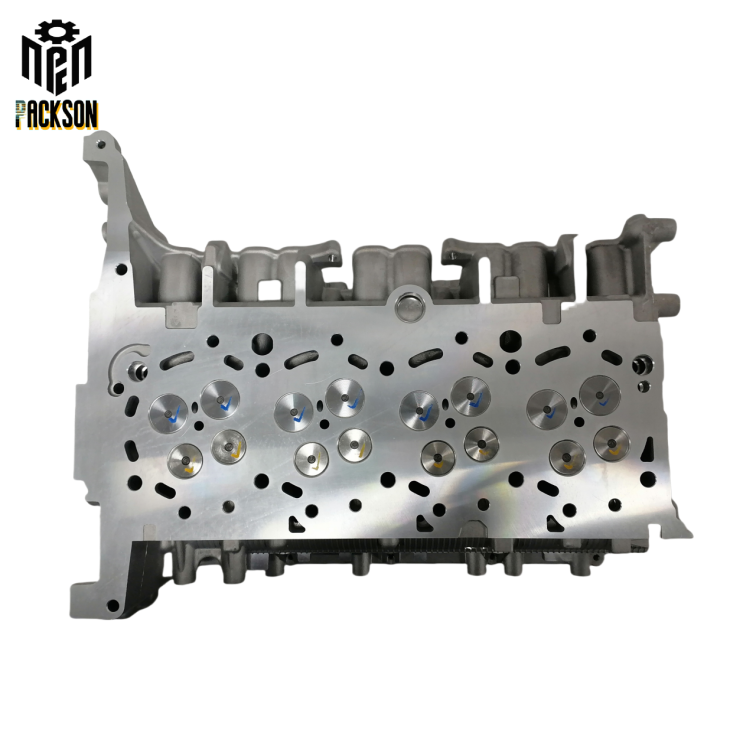
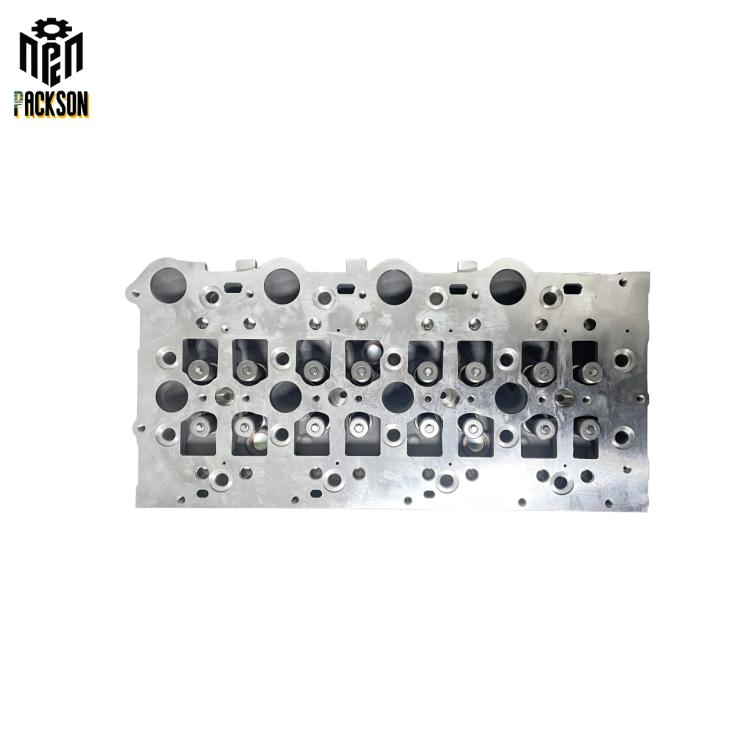
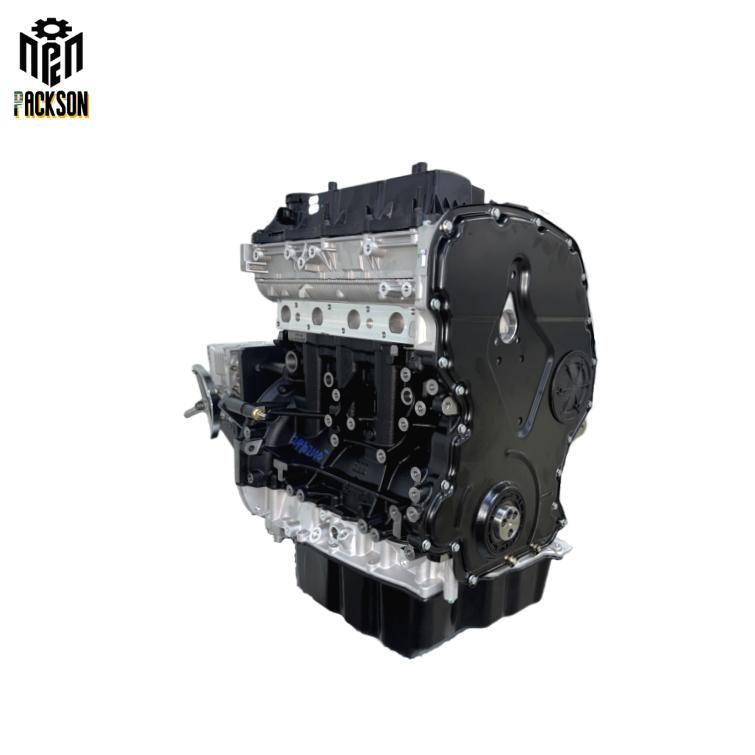
In the manufacturing of core engine components, the airtightness of cylinder heads directly determines the reliability and service life of the entire engine. At Packson Factory, we uphold the highest standards in every production stage. Before any cylinder head leaves the production line, it must undergo a rigorous leak testing process to build a solid quality foundation with professional quality control.
🔧 Why Cylinder Head Airtightness Matters
The cylinder head is a critical part of the engine combustion chamber. The airtightness of its internal water, oil, and air passages directly impacts:
The stability of engine compression ratio and power output
The efficiency of coolant and lubricant circulation, preventing overheating and wear caused by leaks that compromise airtightness
Emission control, ensuring the engine meets environmental standards by maintaining reliable airtightness
Even minor airtightness defects can lead to power loss, increased fuel consumption, or even component failure. For this reason, Packson has made leak testing a mandatory checkpoint in our quality control system, ensuring no defective cylinder head reaches the market.
🛠️ Packson Leak Testing: Standardized Process for Precision Quality Control
In the Packson production workshop, every cylinder head is sent to a dedicated machine for standardized leak testing and strict quality control:
Precise Fixturing: The cylinder head is securely mounted on the test fixture, ensuring full contact between sealing surfaces and test ports to avoid deviations that could skew leak testing results and quality control assessments.
Pressurization & Stabilization: Compressed air is introduced into the cylinder head’s internal passages to reach a specified test pressure, which is then held for a set duration to simulate real operating conditions and validate airtightness during leak testing.
Data Monitoring: High-precision sensors continuously track pressure changes, detecting even the smallest leaks during leak testing and automatically determining if the cylinder head meets airtightness standards as part of our rigorous quality control.
Traceable Records: Test data from each cylinder head’s leak testing is fully documented, enabling full traceability from production to inspection and supporting robust quality control at Packson.
As shown in the photo, a Packson technician carefully reviews process documentation to verify the cylinder head’s leak testing status and airtightness performance, ensuring every step of our quality control is executed with precision.
✨ Quality at the Core: Packson’s Commitment to Cylinder Head Excellence
With deep expertise in engine cylinder block and cylinder head production, Packson Factory places quality control and airtightness assurance at the forefront of its operations. Our leak testing process is more than just an inspection step—it is our solemn promise to customers:
Eliminating leakage risks to ensure long-term, stable engine operation by validating cylinder head airtightness through rigorous leak testing and quality control
Meeting stringent international quality standards to fit the needs of global mainstream vehicle models, backed by Packson’s consistent leak testing and quality control protocols
Implementing full-process digital management to ensure every cylinder head withstands rigorous scrutiny, with leak testing data forming the backbone of our quality control system
Moving forward, Packson will continue to optimize leak testing technologies and production processes, delivering high-quality cylinder head products to global customers with greater rigor, while prioritizing airtightness and quality control to support the reliable development of the automotive aftermarket and vehicle manufacturing industries.
Packson —— Forging Quality Through Detail, Earning Trust Through Reliability