

Beyond the Price Tag:
Navigating Quality Traps in the 2026 Engine Aftermarket
An Industry Insight Report by PACKSON Manufacturing Technical Team
1. The Metallurgical Integrity Trap
In a volatile raw material market, many budget suppliers increase the ratio of recycled alloys or bypass critical alloying elements to reduce costs. While these parts may look identical to OEM standards, their microstructure is often compromised. Under extreme thermal stress, these "diluted" materials exhibit poor heat dissipation and unstable expansion coefficients, leading to early-stage thermal cracking and seat loosening long before the expected service interval.
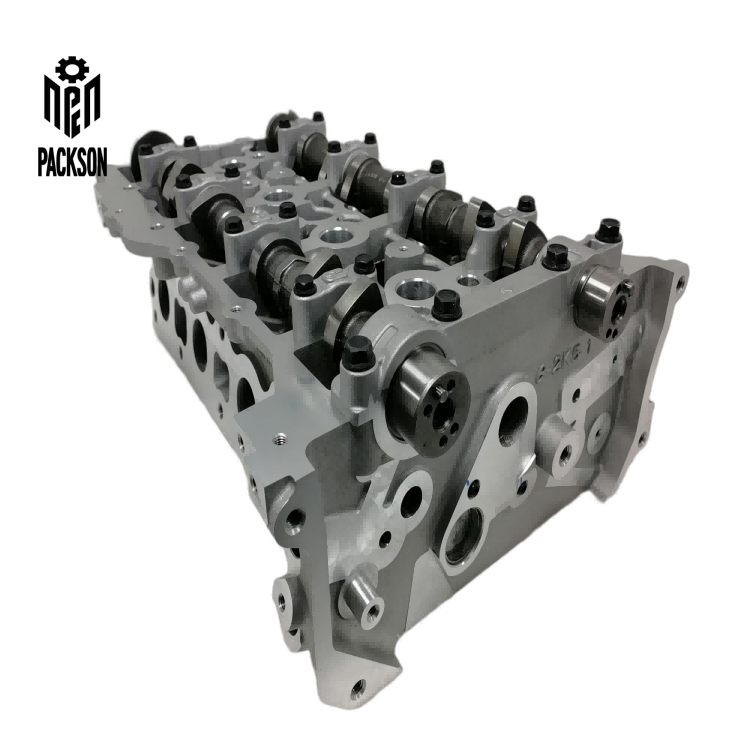
Technical Audit: Verifying metallurgical consistency and casting density to ensure long-term thermal stability.
2. Invisible Geometric Deviations
Precision in 2026 is no longer about "fitting"—it is about geometric harmony. Many low-tier factories push their CNC machines beyond calibrated limits to maximize turnover. This results in microscopic deviations in valve guide concentricity and deck flatness. These errors are invisible to the naked eye but cause rapid valve stem wear, oil consumption issues, and eventual compression loss, turning a simple rebuild into a recurring nightmare for the end-user.
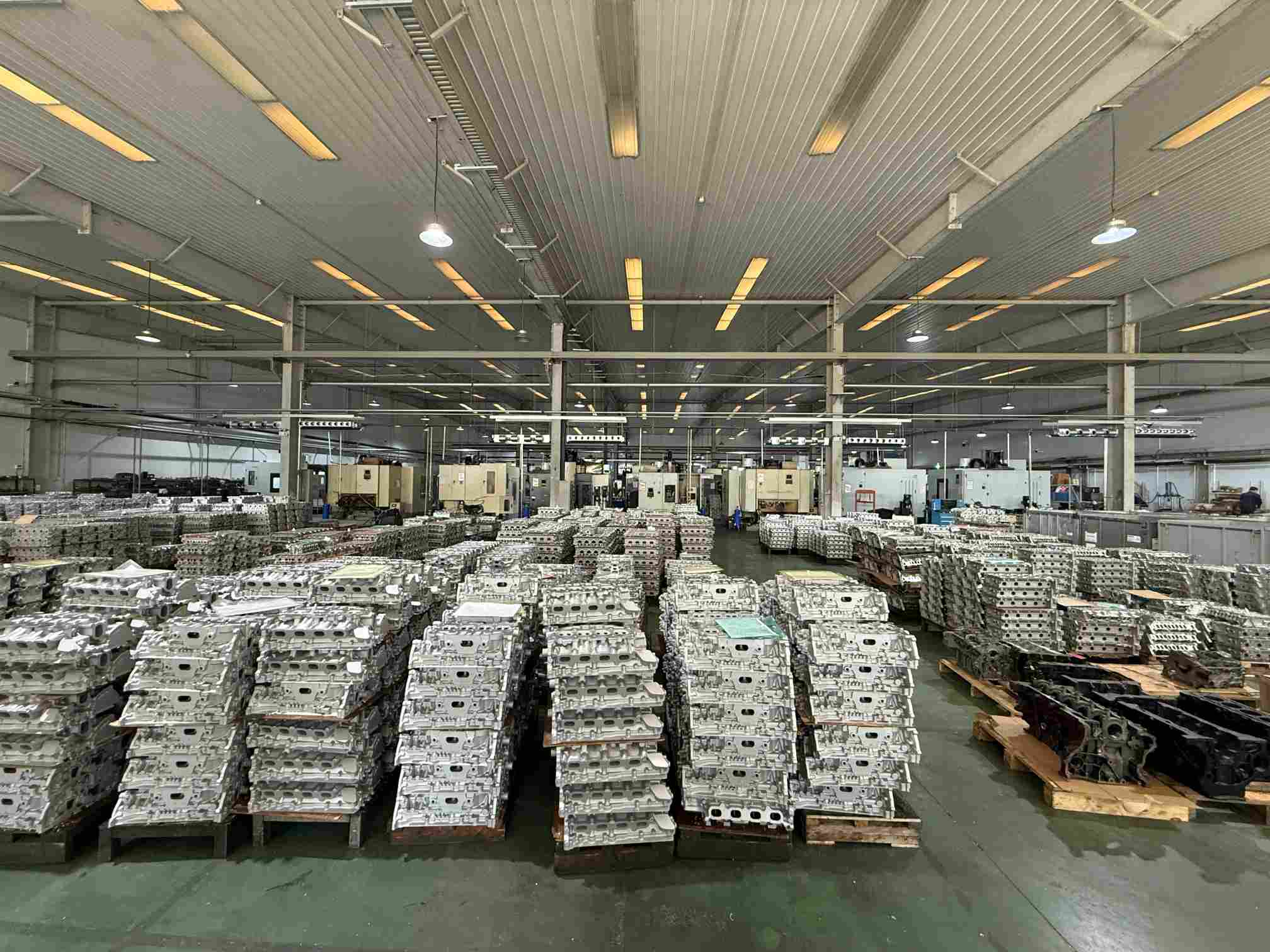
Precision Machining: High-resolution inspection of internal oil galleries and port alignments for seamless engine integration.
3. Neglected Fluid Dynamics & Heat Efficiency
The design of intake and exhaust ports is often overlooked. Budget castings often feature rough internal surfaces and casting flashes that disrupt airflow. In modern high-efficiency engines, these turbulence issues lead to incomplete combustion and higher Exhaust Gas Temperatures (EGT). This not only increases fuel consumption but places unnecessary thermal load on the turbocharger and piston rings, shortening the entire engine's lifecycle.
Strategic Advice for Global Buyers
True cost-efficiency is measured by the Total Cost of Ownership (TCO). A low initial purchase price can quickly be overshadowed by the costs of freight claims, labor reimbursements, and lost client trust. We recommend partnering with manufacturers who prioritize process transparency and technical validation over mere price competition.