

Technical Standards for High-Precision Cylinder Head Manufacturing: A Quality Control Guide
In the engine manufacturing industry, the reliability of critical components like cylinder heads depends on a disciplined integration of engineering and production. To achieve consistent quality that meets global benchmarks, the following manufacturing stages are essential.
1. The Role of Design for Manufacturing (DFM) Review
Before production begins, a comprehensive DFM review is necessary to bridge the gap between theoretical design and physical realization.
Alignment: Technical drawings must be analyzed to ensure that complex internal geometries do not compromise structural integrity during the casting or machining stages.
Proactive Correction: Identifying potential stress points or cooling inconsistencies early in the process significantly reduces the risk of late-stage failures.
2. Precision Machining and Dimensional Stability
Components subjected to high-thermal stress require extreme precision to function correctly over long operational cycles.
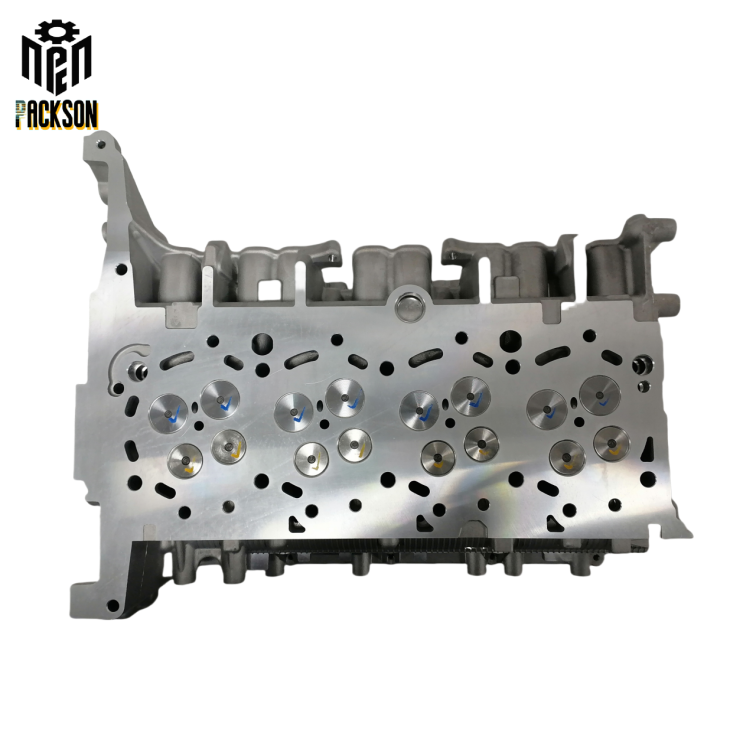
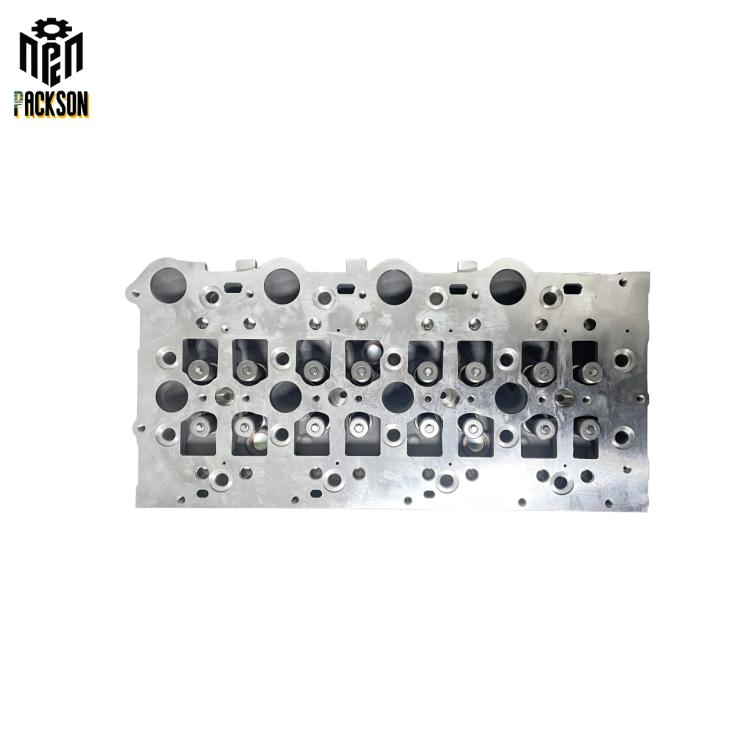
Advanced Machining: The use of multi-axis CNC technology is standard for maintaining stringent tolerances across complex geometries, such as combustion chambers and valve seats.
Thermal Management: Maintaining fitment standards is critical for parts that will undergo constant temperature fluctuations in industrial or performance-tuned engines.
3. Integrity Validation Through Pressure Testing
Visual inspection is insufficient for internal engine components. A systematic validation protocol must be integrated into the workflow.
Internal Integrity: Rigorous pressure testing of internal water and oil galleries is required to confirm that there are no leaks or structural weaknesses.
Functional Verification: Every critical dimension should be verified against the project’s technical specifications to ensure seamless assembly.
4. Advanced Cleaning for Internal Passage Longevity
The cleanliness of internal passages is a primary factor in engine longevity. Residual debris from the manufacturing process can lead to catastrophic failure.
Systematic Cleaning: Utilizing multi-stage cleaning protocols is the most effective way to remove contaminants from intricate internal channels.
International Standards: Meeting high cleanliness benchmarks is a prerequisite for any component intended for professional engine builds.
5. Traceability and Protective Logistics
The manufacturing process concludes only when the part is delivered in its intended state.
Documentation: Maintaining technical records and inspection reports ensures long-term quality traceability.
Preservation: Using specialized packaging designed for international transit protects precision-machined surfaces from corrosion and physical damage.
For more technical information or engineering consultations regarding high-precision components, please contact our technical team.